
How to Select a Sheet Metal Fabricator?
Selecting the right sheet metal fabricator is crucial for businesses relying on precise, high-quality metal components. The choice of fabricator can significantly influence your product's quality, cost-effectiveness, and timely delivery. In this guide, we'll explore the essential factors to consider when choosing a sheet metal fabricator, ensuring that you partner with a service that aligns perfectly with your business needs.
What Services Does a Sheet Metal Fabricator Offer?
Sheet metal fabricators provide a range of services essential for creating detailed, durable components for various applications. These services often include:
● CNC cutting: Utilizing computer-controlled cutting for high precision.
● Laser cutting: Offering high accuracy and the ability to cut complex shapes.
● Welding: Joining metal parts together securely.
● Forming: Shaping metal sheets into the desired forms.
● Finishing services: Enhancing the appearance and durability of metal products.
● Waterjet cutting: This technology uses a high-pressure jet of water, often mixed with abrasive particles, to slice through metal with high precision.
Understanding the array of services offered helps you match your project needs with the fabricator’s capabilities.
How Do You Evaluate the Experience of a Sheet Metal Fabricator?
How Long Has the Fabricator Been in Business?
The longevity of a fabricator in the business often reflects stability and depth of experience. Here are some key questions to gauge their experience:
● How many years have they been active in the industry?
● What is their experience with specific materials?
● Can they handle custom projects effectively?
What Industries Does the Fabricator Serve?
The diversity in industries a fabricator serves can indicate their versatility and expertise. Common industries include:
● Aerospace: Requiring precise specifications and robust quality control.
● Automotive: Where durability and precision are paramount.
● Consumer Electronics: Demanding intricate, compact designs.
● Construction: Needing large-scale, durable components.
● Medical Equipment: Requiring high standards of safety and accuracy.
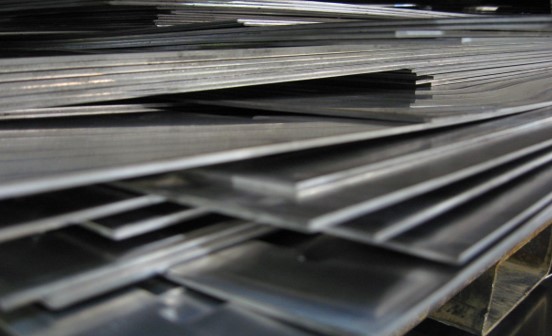
What Materials Does the Sheet Metal Fabricator Specialize In?
● Aluminum: Lightweight and corrosion-resistant, suitable for various applications.
● Stainless Steel: Known for its strength and anti-corrosive properties.
● Copper: Excellent electrical conductivity.
● Brass: Good for decorative elements due to its bright gold-like appearance.
● Mild Steel: Versatile and cost-effective.
● Galvanized Steel: Offers durability and resistance to corrosion.
How Do You Assess the Quality Control Processes of a Sheet Metal Fabricator?
What Certifications Should a Sheet Metal Fabricator Have?
Certifications are a testament to a fabricator’s commitment to quality. Important certifications include:
● ISO 9001: Standardizes quality management systems.
● AS9100: Specific to the aerospace industry.
● NADCAP: Covers specific processes like welding and coatings.
What is the Fabricator’s Process for Ensuring Accuracy and Precision?
Understanding a fabricator's methods for maintaining accuracy and precision is crucial. Discuss their tolerance ranges and methods for ensuring consistency across large production runs.
Can the Fabricator Provide Samples or Past Project References?
Requesting samples or references can provide insights into the quality and finish you can expect from the fabricator.
What is the Fabricator’s Lead Time and Capacity?
What Are the Average Lead Times for Different Types of Projects?
Knowing the lead times for different project sizes can help you plan your production schedule more effectively:
● Small projects: X days
● Medium projects: Y days
● Large projects: Z days
Can the Fabricator Handle Your Order Volume?
Consider their production capacity to ensure they can meet your demand without sacrificing quality. Key points include:
● Maximum order size they can handle.
● Flexibility in scaling production up or down.
● Availability and modernity of their equipment.
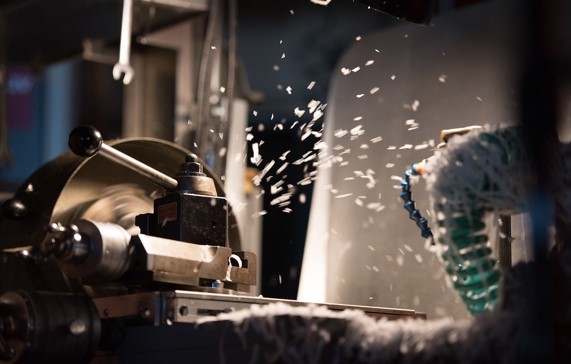
What Types of Equipment and Technology Does the Fabricator Use?
Does the Fabricator Use Modern Technology Like CNC or Laser Cutting?
Modern technology can significantly enhance the quality and speed of production. Technologies to inquire about include:
● CNC machines for precision cutting.
● Laser cutting machines for complex designs.
● Robotic welding systems for consistency.
● 3D printing for prototyping.
How Does the Sheet Metal Fabricator Ensure Cost-Effectiveness?
What is Included in the Pricing Structure?
Understanding what's included in the pricing helps you assess the cost-effectiveness of the fabricator. Consider:
● Material costs.
● Labor costs.
● Set-up fees.
● Finishing costs.
Can the Fabricator Offer Value-Engineering Options?
Value engineering can reduce costs without compromising quality, making it a significant factor to consider.
How Does Communication and Customer Service Affect Your Decision?
How Responsive is the Fabricator to Inquiries?
Assess their communication effectiveness, including response time, clarity, and transparency.
Does the Fabricator Offer After-Sales Support?
Post-production services such as warranties and ongoing support are crucial for long-term satisfaction.
What Are the Safety and Environmental Policies of the Sheet Metal Fabricator?
Does the Fabricator Adhere to Industry Safety Standards?
Verify their compliance with OSHA standards and their commitment to employee training and equipment maintenance.
What Are the Fabricator’s Environmental Policies?
Consider their use of eco-friendly materials, waste reduction programs, and energy-efficient processes.
Conclusion
Choosing the right sheet metal fabricator is a pivotal decision that impacts many facets of your business. By thoroughly researching and evaluating potential fabricators based on the criteria outlined, you can ensure that your projects are completed to the highest standards of quality, efficiency, and cost-effectiveness.